Industries / 行业: Pharmaceutical

  • Closed Process Pipeline Biofilm Treatment

    Investigating internal contamination and treating hard-to-reach process piping.

    Looking beyond recurring endpoint results

    A pharmaceutical company experienced recurring elevated total viable counts in samples taken at process-pipeline endpoints and engaged VanTsteri to investigate and address the problem. The investigation looked beyond endpoint water samples to attached contamination inside the piping that could continue to affect those results.
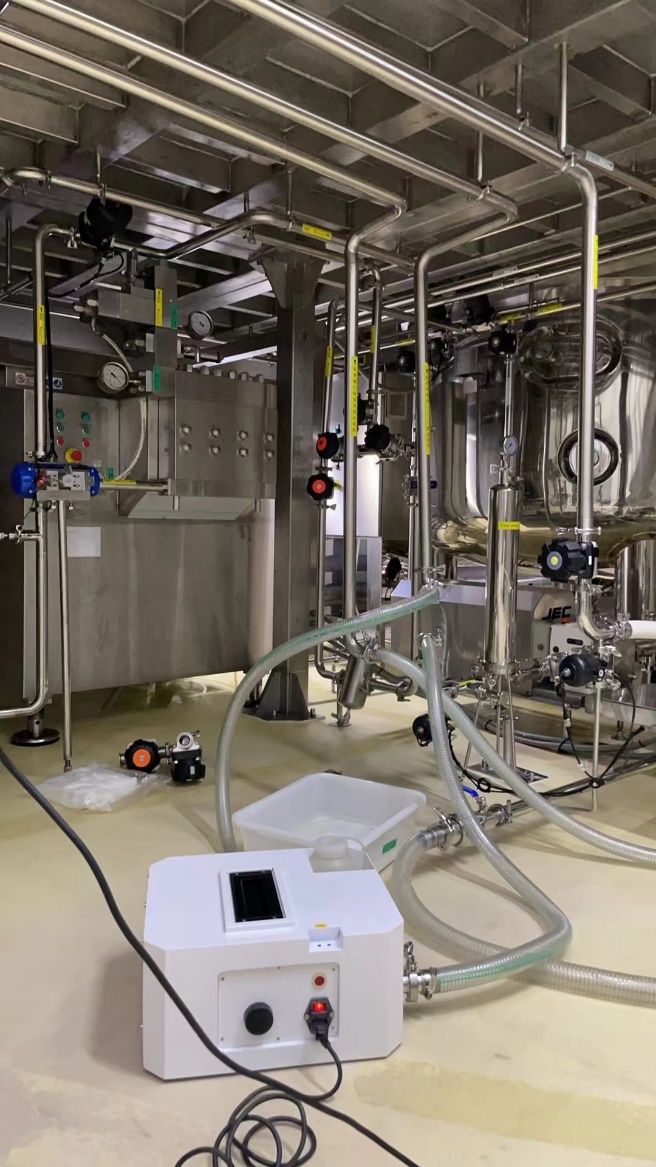
    Pharmaceutical equipment and piping at the project site
    Pharmaceutical equipment and pipeline treatment at this project site. View original photo

    The challenge of closed process piping

    Internal walls and connection points in closed process piping are difficult to access directly. Treatment needed to consider both the location of contamination and compatibility with the system’s materials. The choice, quantity and conditions of use of liquid treatment chemicals were assessed in relation to those materials.
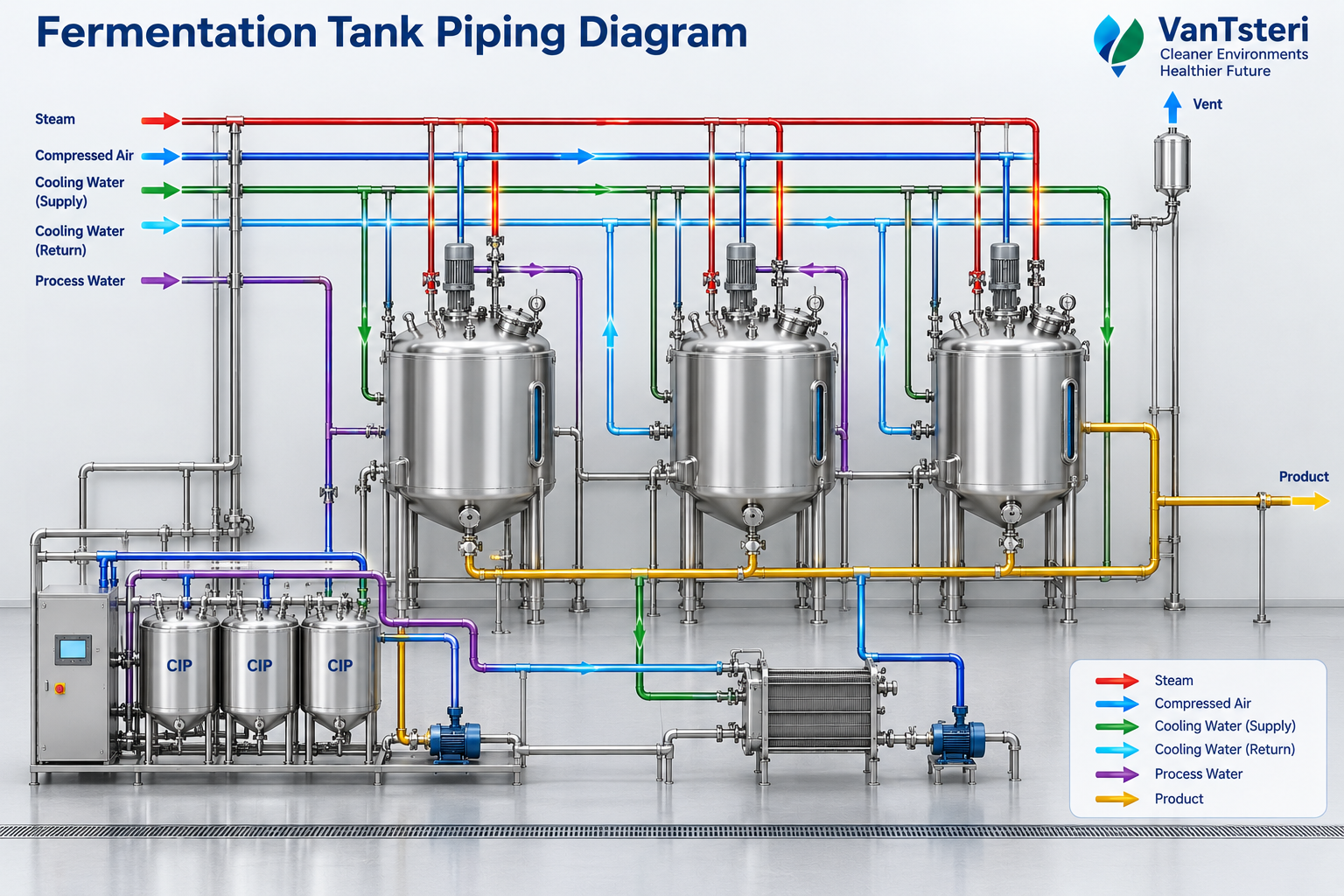
    Technical illustration of fermentation tank piping and service connections
    Technical illustration of fermentation tank piping and service connections; not a verified drawing of this project’s configuration. View original illustration

    Combining inspection and sampling

    The team combined sampling and testing, internal endoscopic inspection, and microscopic examination of samples from connection gaskets and valves to assess biofilm and define the treatment priorities.

    Explore contamination investigation and source tracing

    Project highlight: targeting attached biofilm in hard-to-reach areas
    VanTsteri applied its own technology to address microorganisms and attached biofilm inside the piping, considering the treatment target, chemical use and material compatibility together.

    According to VanTsteri’s project representative, the approach used relatively small quantities of treatment chemicals and specifically targeted attached biofilm. The formulation and proprietary process are not disclosed.

    Evaluating the changes through inspection and testing

    Following treatment, microbiological testing of both internal-wall samples and water samples showed improvement. Inspection and testing were used together to assess the changes observed in this project.

    The value VanTsteri provided

    The project connected investigation inside the system with targeted biofilm treatment and post-treatment testing. This helped the customer understand the contamination locations, the direction of the treatment approach and the changes observed after treatment.

    If your pharmaceutical equipment or process piping is experiencing recurring microbial abnormalities, discuss contamination investigation, biofilm treatment and outcome assessment with VanTsteri.

    Discuss pharmaceutical pipeline biofilm treatment

    Related decontamination options

    VanTsteri also provides vaporized hydrogen peroxide (VHP) equipment and environmental decontamination services for suitable applications. The scope and operating conditions are assessed for each site. This related option is not identified as the biofilm-removal method used in this project.

    Explore VHP equipment

    Case information

    This anonymized case is based on project records and information supplied by VanTsteri’s project representative. The customer’s identity is withheld.
  • VHP Robots in a Lyophilization Workshop

    Repeating validated paths under the conditions covered by the validation.

    A coordinated response across multiple functional rooms

    A pharmaceutical manufacturer commissioned VanTsteri to address mold contamination in a lyophilization workshop of approximately 500 m². The project included Grade C production areas and Grade A filling areas with a Grade B background.

    With multiple functional rooms and different production spaces, the response needed to account for the actual layout and coordinate treatment across the workshop.

    Explore contamination investigation

    Combining robotic planning with VHP technology

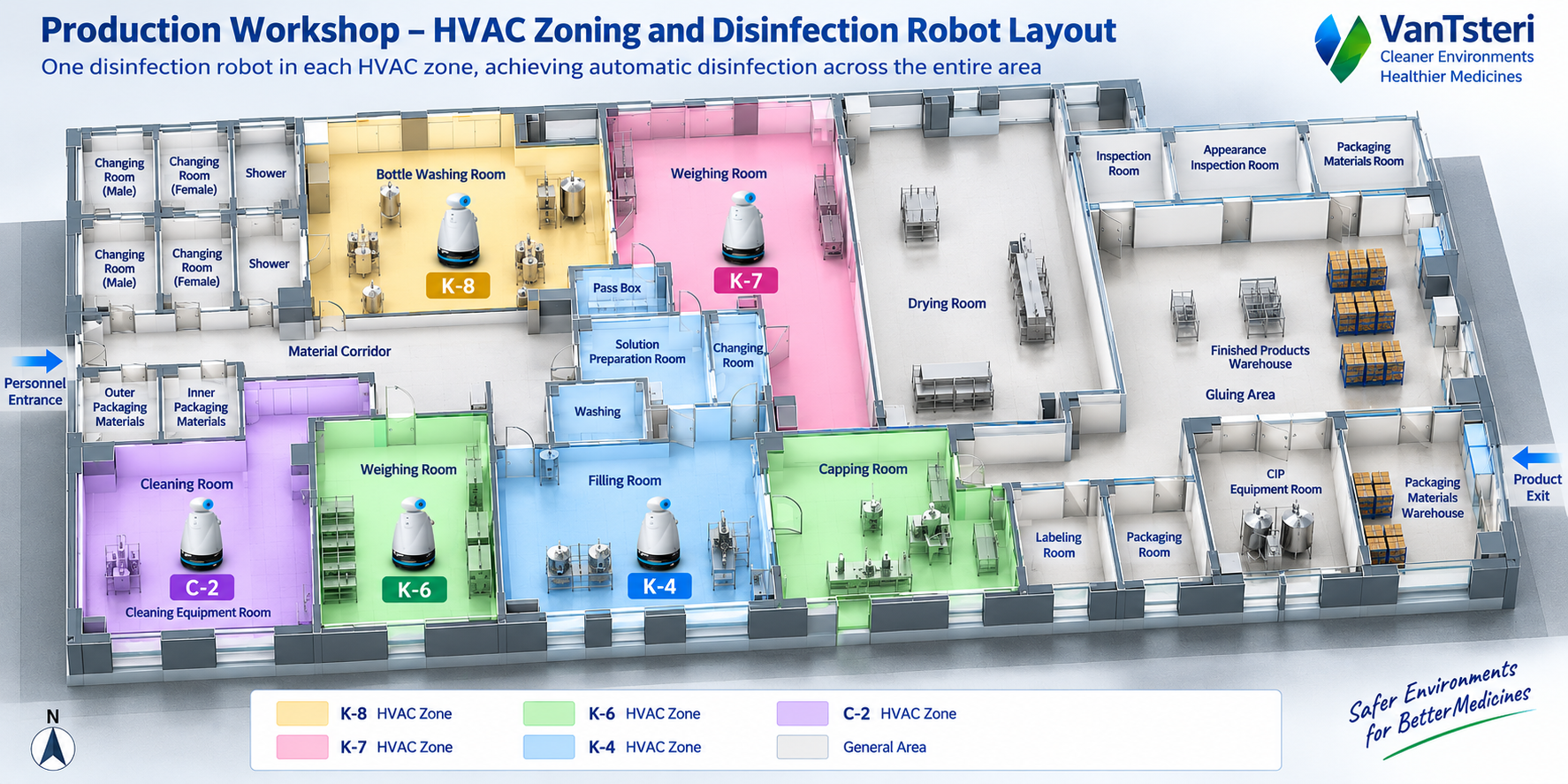
    VanTsteri combined decontamination robots with vaporized hydrogen peroxide (VHP) technology. The work included mapping the area, planning robot positions and paths, monitoring the decontaminating-agent concentration during treatment, and recording the process.

    Illustrative pharmaceutical workshop layout, HVAC zones and robot placement
    Illustrative pharmaceutical workshop layout and HVAC zoning.

    The planning connected the robot’s work with the workshop’s rooms and production layout, providing a defined basis for treatment and subsequent evaluation.

    Explore VHP decontamination robots

    Project validation and reported outcome

    According to VanTsteri’s project record, the chemical indicators (CI) and biological indicators (BI) met the project’s acceptance criteria. Project validation was used to evaluate the treatment outcome under the conditions at this site.

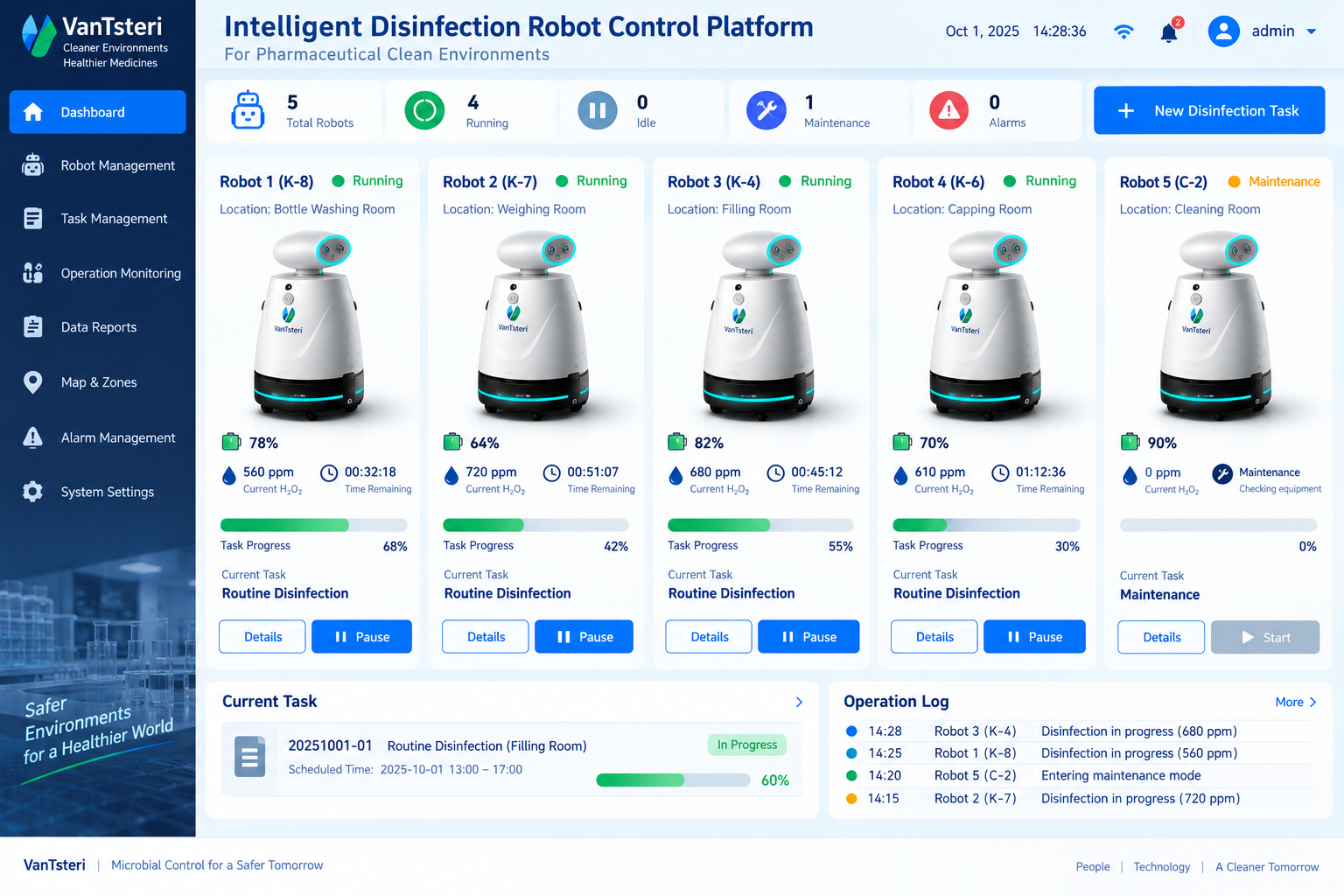
    Illustrative VHP robot control platform with example status and monitoring data
    Illustrative robot control interface. Displayed data are not project records.

    The project account reports that the treatment helped resolve the mold contamination problem and enabled the manufacturer to resume production. These reported findings apply to this project.

    The value of repeating a validated path

    When the site and process conditions remain within the scope covered by the validation, the robot can repeat the validated paths and positions. This reduces differences caused by ad hoc manual adjustments and supports repeatability, traceability and reliability in execution.

    Repeating a path alone does not establish the effectiveness of every treatment. If the layout or process conditions change, the applicability of the existing validation needs to be reassessed.

    If your pharmaceutical workshop has multiple functional rooms, discuss robotic VHP decontamination, project validation and repeatable execution with VanTsteri.

    Discuss pharmaceutical decontamination

    Case information

    This anonymized case is based on VanTsteri’s project materials and information confirmed by its project representative. The customer’s identity is withheld.
    The workshop image is an illustration, not the project’s actual layout. The control-platform image is illustrative; its robot icons, date and displayed values do not establish the equipment used or measurements from this project. The linked robot product is a related current offering, not an identification of the model used in this project.

  • Aseptic Filling Area Mold Control

    Investigating mold contamination and coordinating rooms, equipment and HVAC.

    Repeated treatment had not resolved the mold findings

    A pharmaceutical manufacturer found mold during routine environmental monitoring in its aseptic filling area. Although the overall microbial counts met the site’s requirements, mold findings still required attention under the area’s strict contamination-control requirements. Repeated decontamination under the manufacturer’s existing procedures had not resolved the problem, so the customer asked VanTsteri to investigate.

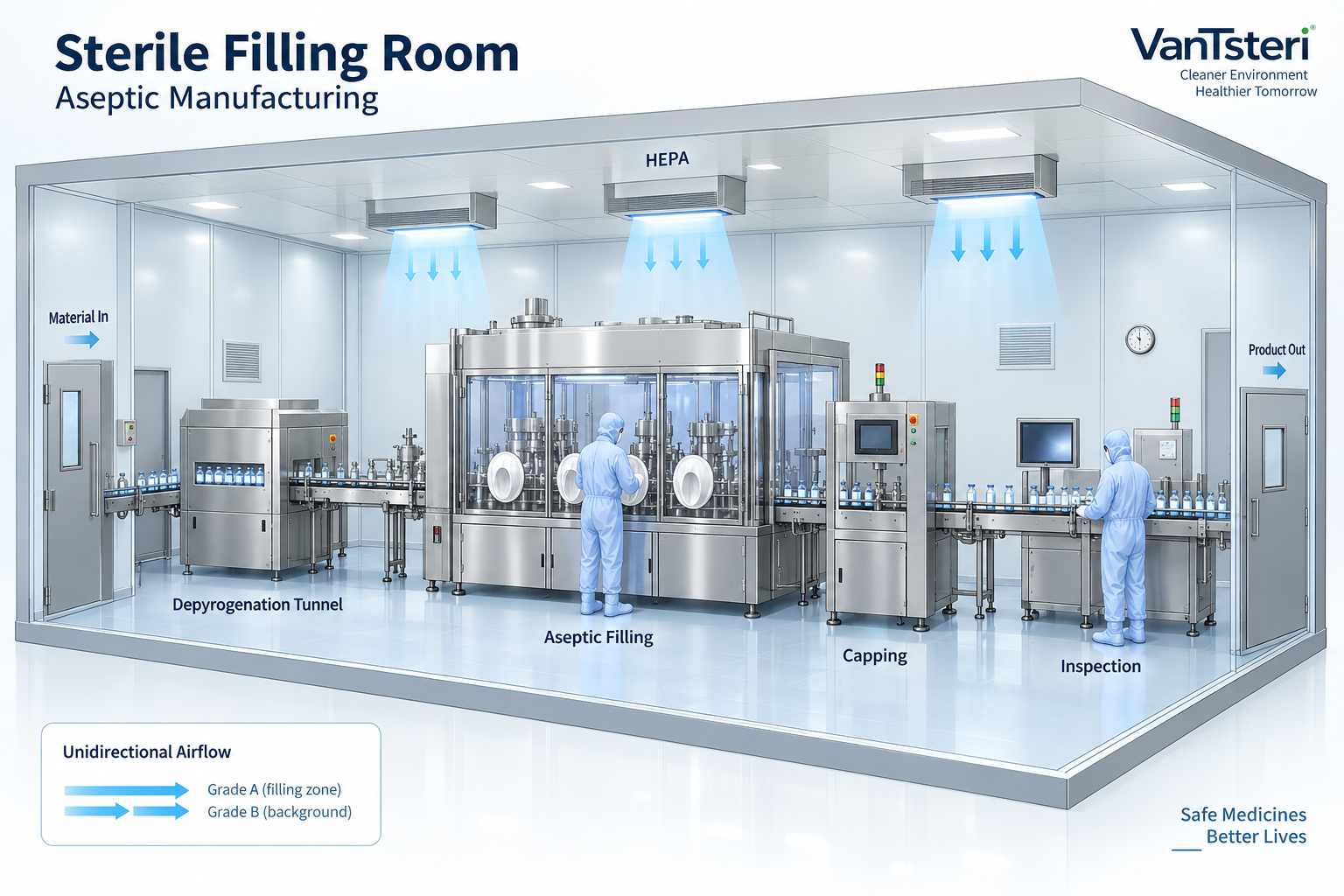
    Illustrative aseptic filling room with filling equipment and HEPA airflow
    Illustrative aseptic filling environment.

    Investigating the site before defining the response

    VanTsteri investigated where mold contamination was occurring and considered possible pathways of spread. The site assessment covered filling, capping, freeze-dryer unloading and aseptic changing areas, together with the associated ventilation system.

    The area had many small rooms, narrow corridors and obstructions formed by isolators and conveyors. These conditions meant that a single device could not suit every part of the treatment area.

    Explore contamination investigation

    Coordinating rooms, filling equipment and HVAC

    VanTsteri used vaporized hydrogen peroxide (VHP) technology with a combination of portable units, an intelligent decontamination robot and dedicated HVAC decontamination equipment. The arrangement took account of the different spaces and equipment layout, coordinating treatment of the rooms, filling-related equipment and the associated HVAC system.

    On-site work followed the customer’s aseptic operating requirements and controls on personnel access.

    Explore VHP equipment

    Customer monitoring and subsequent follow-up

    According to VanTsteri’s project account, the customer monitored for mold for seven consecutive days after treatment and did not find mold. During follow-up within the first year after treatment, no further mold problem was reported in the same area.

    These observations apply to this project’s monitoring and follow-up scope.

    A response shaped by the actual production environment

    The value of this project was to bring the room layout, equipment obstructions and HVAC system into a coordinated response, rather than treating only readily accessible surfaces. VanTsteri provided decontamination support matched to the site, while the customer’s ongoing quality and production-area management supported subsequent contamination control.

    If your aseptic production area is experiencing recurring mold contamination, discuss a site investigation and a coordinated room, equipment and HVAC treatment plan with VanTsteri.

    Discuss aseptic area decontamination

    Case information

    This anonymized case is based on VanTsteri’s project materials and information confirmed by its project representative. The customer’s identity is withheld. The illustration shows a general aseptic filling environment, not the project’s actual layout or decontamination in progress.
  • Pharmaceutical Weighing and Sampling Rooms: Contamination Investigation and VHP Decontamination

    The contamination challenge

    A pharmaceutical manufacturer identified a suspected contaminating microorganism in its products and engaged VanTsteri to investigate and address the problem. The customer needed to understand where contamination might be located, identify the areas requiring treatment and evaluate the treatment outcome.

    Extending the investigation to related environments

    VanTsteri extended the investigation to the logistics warehouse and related environments, where testing detected the same microbial species. This finding prompted further investigation of the weighing and sampling rooms, but the same species does not by itself establish the same strain or a common contamination source.

    Considering the configuration of the rooms’ HVAC air-purification system and internal areas difficult to reach through routine cleaning, the team suspected contamination within the system. Subsequent testing supported this assessment, giving the treatment a more clearly defined focus.

    Targeted treatment with VHP equipment

    VanTsteri used KINO SUBZERO vaporized hydrogen peroxide (VHP) decontamination equipment to carry out targeted treatment of the affected HVAC system. The focus was on internal areas that routine cleaning could not readily reach.

    KINO SUBZERO is used for HVAC-system and pipeline decontamination, with equipment connections and operating conditions assessed for the site’s system. Hydrogen peroxide can decompose into water and oxygen. Post-treatment testing in this project did not detect residual hydrogen peroxide.

    VHP decontamination equipment for HVAC systems

    Evaluating the results through testing

    Post-treatment microbiological testing did not detect the microorganism previously under investigation. These findings relate to the samples tested in this project.

    The value VanTsteri provided

    The project connected contamination investigation, system assessment, targeted VHP decontamination and post-treatment testing. This gave the customer a coordinated approach to investigating contamination, identifying treatment priorities and evaluating the results.

    If microbial contamination is affecting your pharmaceutical weighing and sampling rooms, HVAC system or pipelines, discuss a site investigation and VHP decontamination plan with VanTsteri.

    Pharmaceutical contamination investigation

    Discuss a VHP HVAC decontamination project

    Case information

    This case account and its test findings were provided by VanTsteri’s project representative. The customer’s name and identifying location details are withheld.

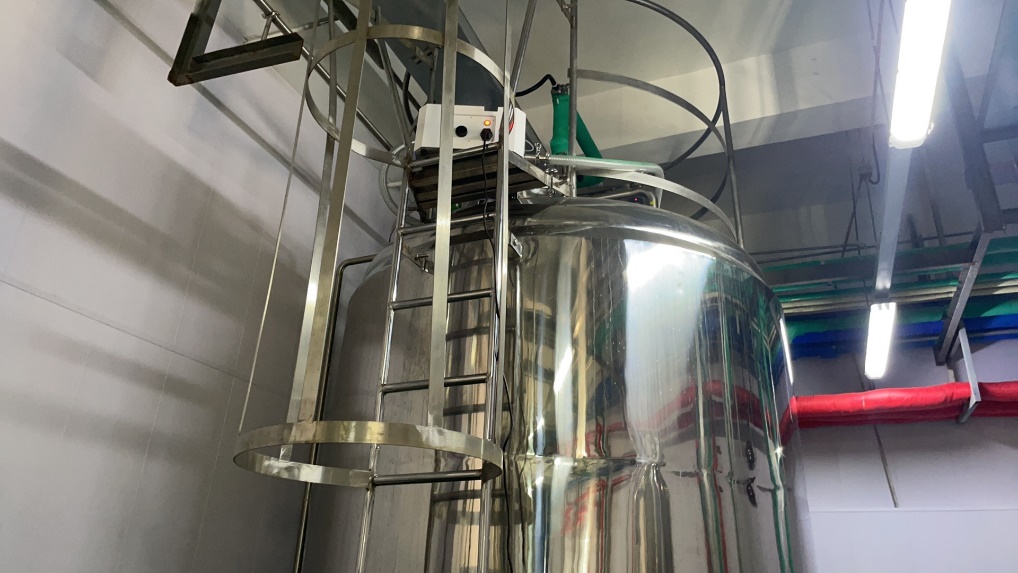
    Archive photograph retained for local review
    Archive photograph for local review. Project association and publication permission remain subject to separate confirmation.
  • Pharmaceutical Clean Area Field Reference

    案例详情设计预览 · 根据原英文案例整理 · 项目日期、图片归属与效果记录待核对
    All Cases / Pharmaceutical / Clean Area

    Pharmaceutical · Field reference

    Equipment in a pharmaceutical clean area.

    Field images from the VanTsteri company presentation.

    The company presentation shows disinfection equipment deployed in pharmaceutical production areas. Project-specific background and results can be added when the corresponding content is supplied.

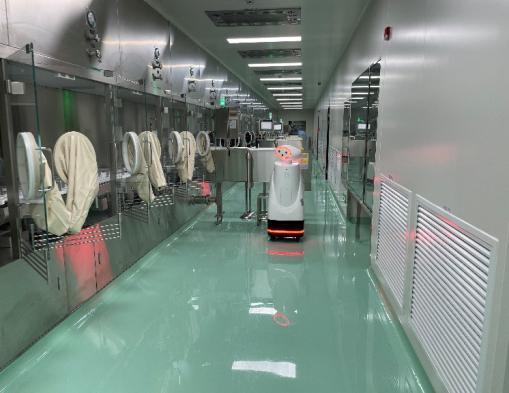
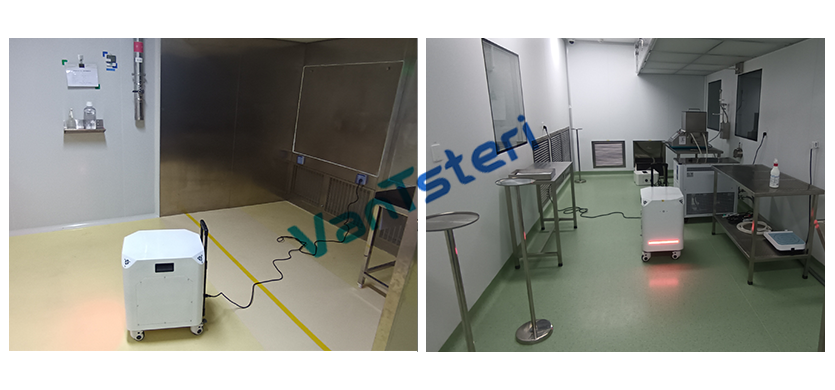
    KINO equipment in a pharmaceutical clean production area
    Source: VanTsteri company service presentation, page 18.
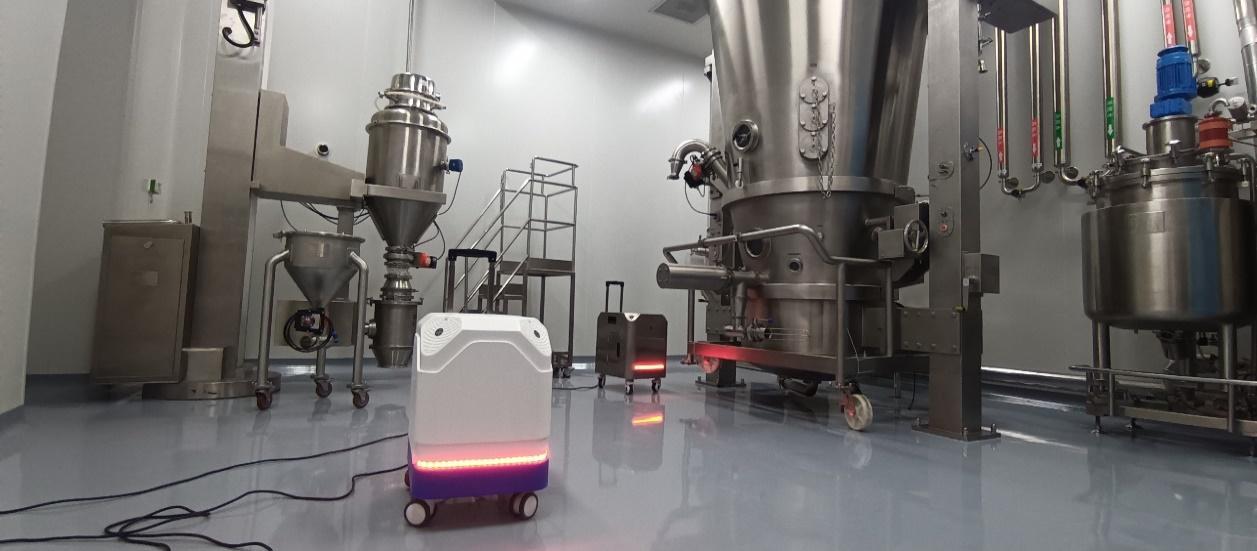
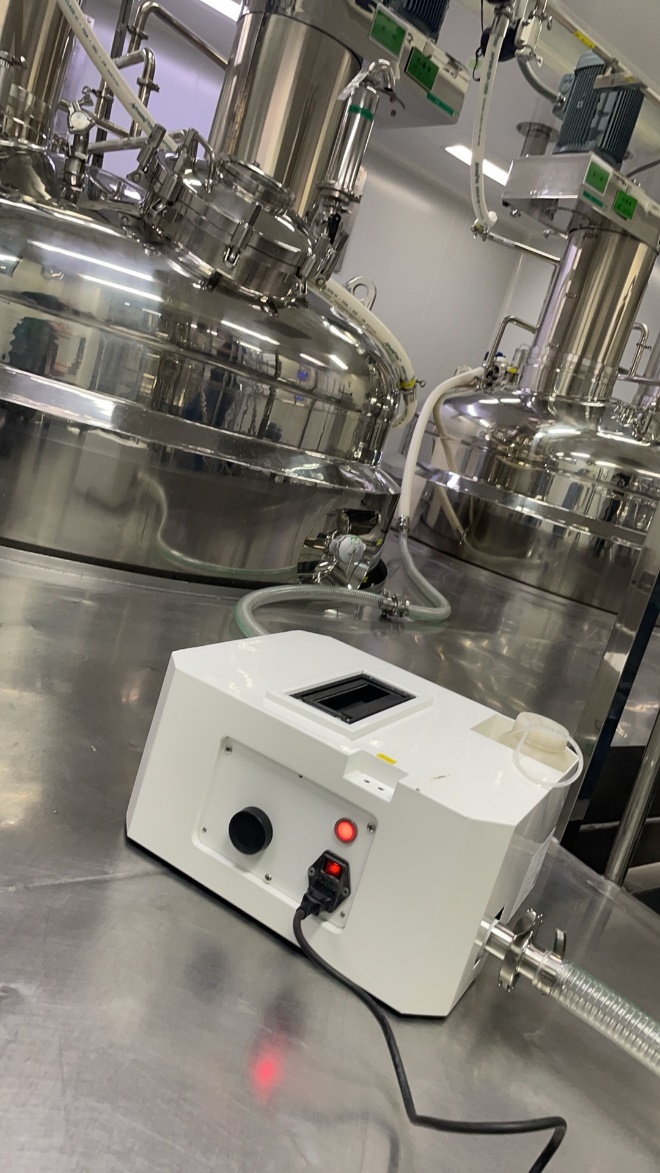
    Portable equipment beside production vessels
    Additional field image from the same presentation page; the images are not identified as a single project.

    Project outcomes

    Results achieved.

    VanTsteri

    Disinfection Products & Microbial Contamination Control Services