In this article
Why does mycoplasma contamination matter in cell culture?
Mycoplasma contamination can alter cell behaviour and compromise research findings. A control programme needs appropriate testing, a review of potential contamination routes and corrective action matched to the evidence. Environmental decontamination supports facility control; it does not demonstrate that an affected cell culture has been restored.
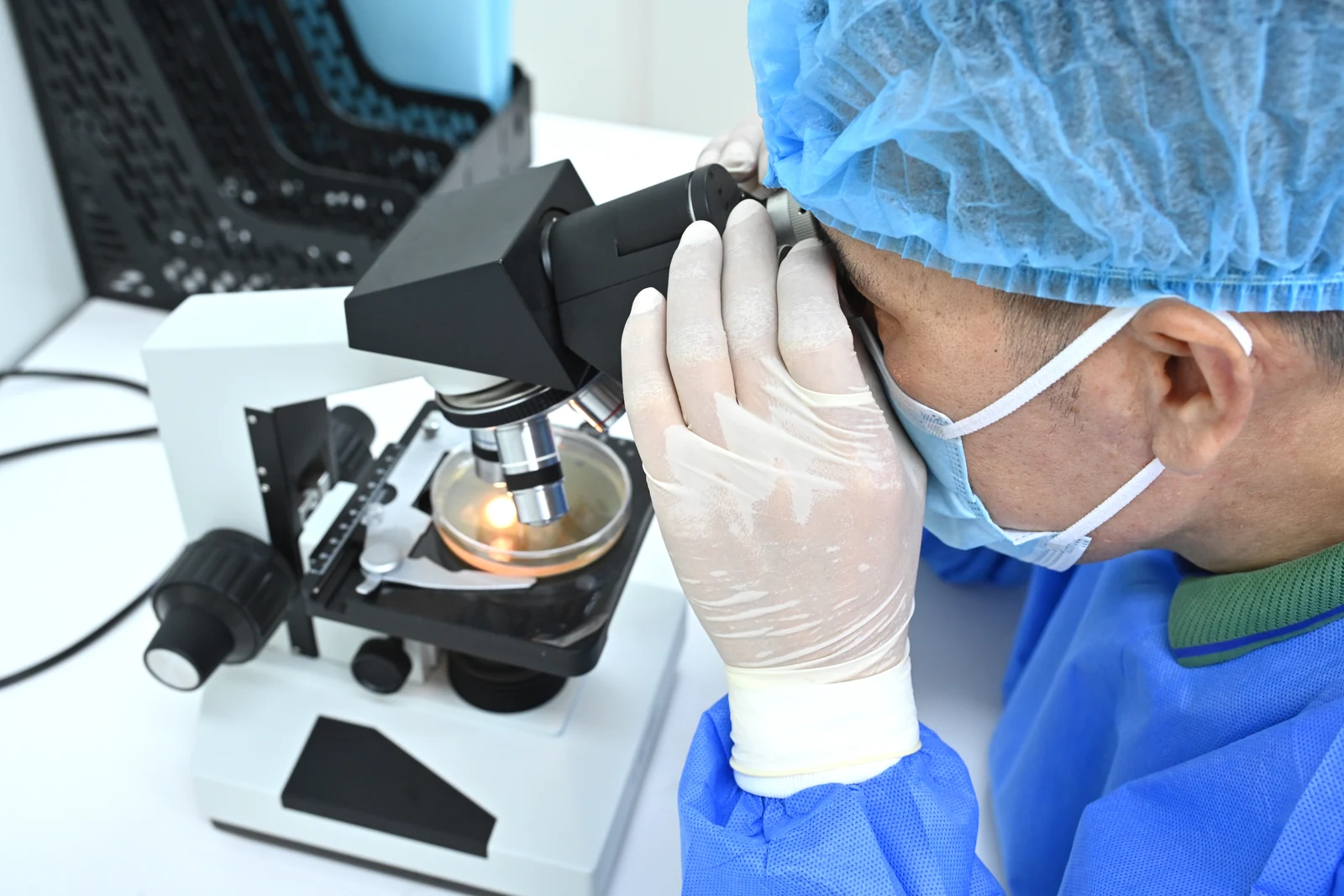
How can mycoplasma affect research reliability?
ATCC describes effects on cell growth, metabolism, gene expression and other cellular characteristics. Such changes can interfere with interpretation of experimental results. A contamination finding therefore calls for a review of affected work, not simply a change in the appearance of the laboratory. See ATCC’s explanation.
What role does testing play?
Assessment should rely on appropriate testing rather than visual appearance alone. ATCC describes culture-based and PCR-based detection approaches and recommends routine testing. The method and interpretation should suit the sample and laboratory requirements; a particular result must be considered with its sampling context and method limitations.
Which potential contamination routes should be reviewed?
ATCC discusses handling practices, equipment performance and the quality of media and reagents as relevant considerations. These provide starting points for investigation, rather than a diagnosis of the source at a particular site. Source: ATCC.
For a project discussion, bring together the incident timeline, affected cultures, available test findings, shared materials and equipment, and previous corrective actions. Comparing these records can help define what the investigation needs to resolve.
Do routine antibiotics provide reliable protection?
No. ATCC explains that standard cell-culture antibiotics do not reliably protect against mycoplasma. Their use should not be treated as evidence that a culture is contamination-free or as a substitute for testing. Read ATCC’s antibiotic guidance.
How do investigation and environmental decontamination fit together?
Investigation asks where contamination may have entered and how it may have spread. Environmental decontamination addresses a defined facility or equipment scope. A project should connect these activities with the client’s laboratory findings and corrective-action plan, while keeping the outcome claims specific to what was assessed.
A completed environmental treatment does not, on its own, establish that cell stocks are suitable for continued use. Decisions about cultures and experimental data belong within the laboratory’s quality procedures and assessment of the available evidence.
What support can VanTsteri provide?
VanTsteri provides microbial contamination investigation and equipment supply and remote decontamination support, with any on-site engineering scope agreed for the project. Share the facility location, affected areas, contamination history and available findings so the team can discuss a project-specific scope.
Explore contamination investigation →
Discuss on-site decontamination →
Related reading: Cell Culture Contamination — Sources and Investigation →
Additional investigation context
VanTsteri’s source discussion treats changes in culture appearance, cell morphology, growth and experimental consistency as warning signs that require testing. These observations do not establish mycoplasma infection or identify a contamination source.
Sources and further reading
- ATCC: Mycoplasma Contamination — research effects, detection and prevention considerations.
- Original VanTsteri article — company source for this revised overview.