Pheasant Hatchery: A Project-Specific Environmental Response
Investigating a hatchery concern and reviewing a tailored environmental response.
A concern in a nationwide breeding business
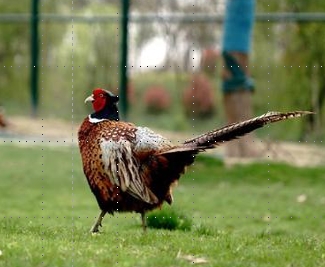
User-provided scene reference; not verified as the customer’s facility or evidence of treatment results.
An anonymous pheasant breeding business supplying breeding birds nationwide sought VanTsteri’s support after eye infections appeared among newly hatched chicks. According to the company representative’s account, testing and a review by disease-control personnel identified chlamydial involvement.
The finding described concerns a bacterial organism, not a virus. VanTsteri investigated the facilities and environment to understand the project’s needs.
Different stages, different treatment scopes
The project distinguished between vaporized hydrogen peroxide (VHP) terminal treatment of the environment and equipment between batches, and a proprietary dynamic environmental treatment programme during hatching. The dynamic programme is not presented as the same technology as the between-batch VHP treatment.
The company representative describes the latter as a professional project arrangement during a stage when chicks were present. This historical account does not provide instructions for chemical treatment around live birds or recommend applying chemicals to birds.
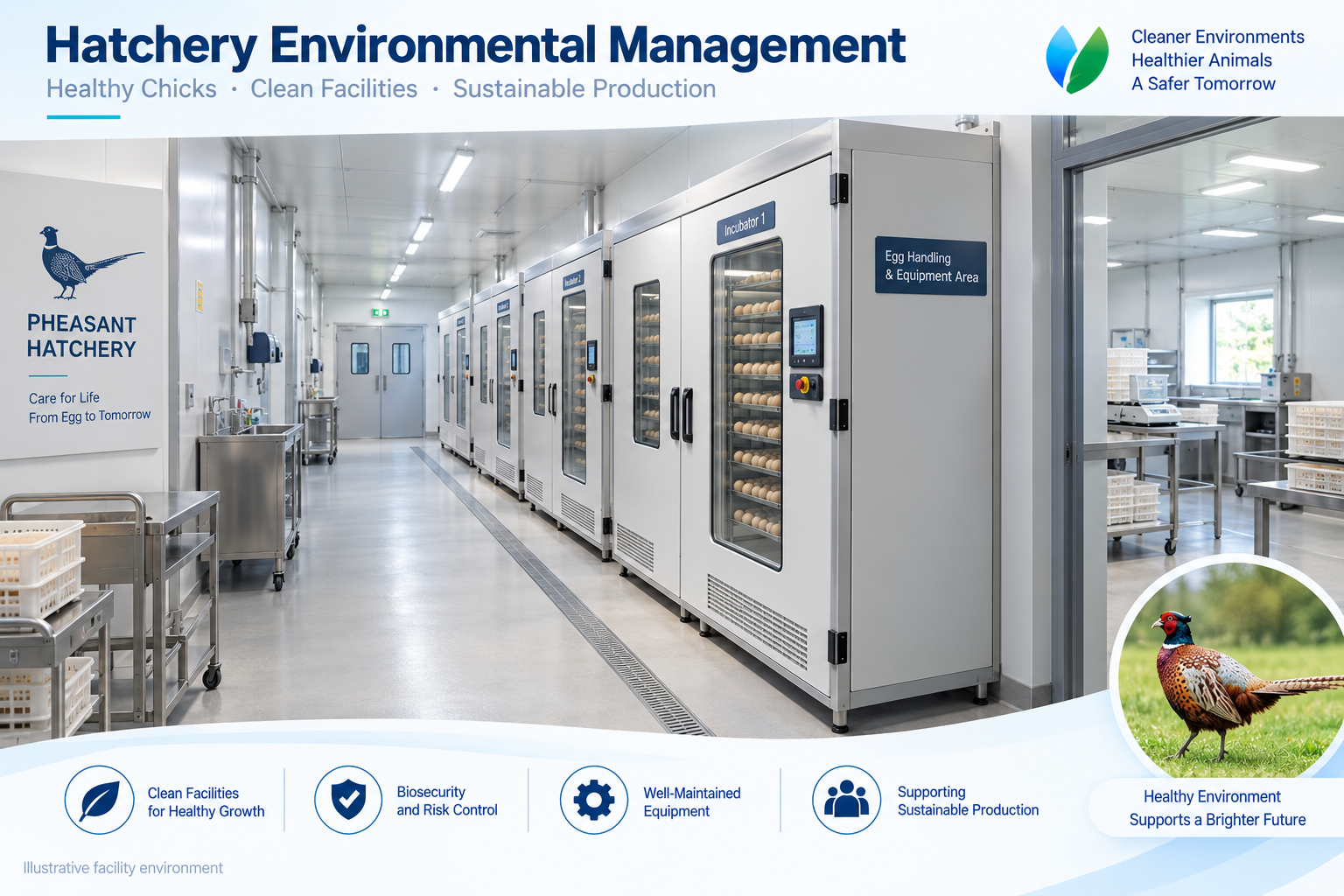
Illustrative facility environment; not the customer’s actual facility, a treatment procedure or evidence of bird recovery.
A defined project scope
Investigation
Review facilities and the environment
Between batches
Environmental and equipment VHP terminal treatment
During hatching
A separate proprietary environmental programme
Observations reported by the company representative
In subsequent checks, the examined chicks’ tracheas did not show the injury described in the account. This observation relates to the chicks and checks reported; it does not establish comprehensive safety for animals or other applications.
The representative also reported temporarily lighter feather colour. As the birds grew and replaced their feathers, their plumage became brighter. This change is retained as part of the account and is not described as proof that the treatment had no adverse effects.
The representative reports that later reviews did not identify a similar outbreak. No follow-up duration was provided, so this is presented as a reported observation rather than a permanent prevention claim.
Follow-up with a clear evidence boundary
The company representative describes interest from the local agricultural department. This is not presented as an approval or certification of the treatment.
The case illustrates a project-specific response informed by the facility and its operating context. It does not publish a disease-incidence percentage, a killing-rate claim or a general guarantee of chick safety.
Discuss your facility’s environmental requirements
VanTsteri can help review an environmental concern and define a suitable service scope, including where between-batch VHP terminal treatment may be relevant. Assessment and verification requirements are considered for the actual project.