COMPANY-REPORTED CASE · INVESTIGATION & SOURCE TRACING
Bacteriophage Contamination Investigation and Integrated Remediation with One Week of Follow-Up
A company using host bacteria for bioproduction began to observe unstable host bacterial growth, fluctuating culture results, and reduced reproducibility. On-site checks covered culture medium batches, production conditions, equipment operation, personnel practices, material movement, and cleaning records, but found no evidence sufficient to explain the persistent abnormalities. Plaques subsequently observed during testing directed the investigation toward contamination by active bacteriophages.
1 Understanding bacteriophage characteristics to guide the investigation
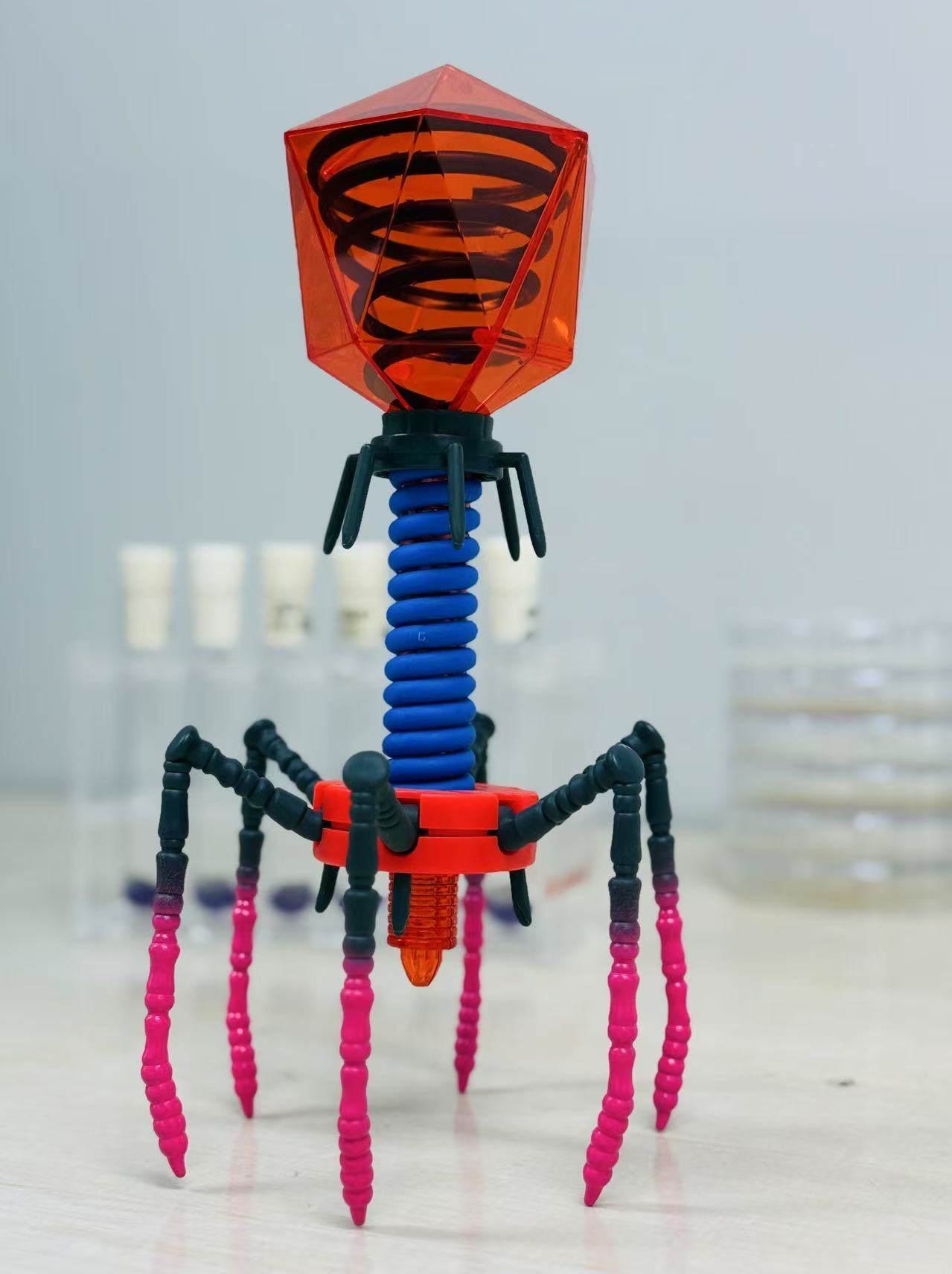
First, bacteriophages are very small and are not readily detected directly by routine bacterial and fungal testing. Bacteriophages are viruses that infect bacteria. Unlike bacteria or molds, they cannot grow independently of a host and form colonies of their own. Their infective activity can be revealed through the response of susceptible host bacteria. A visibly clean site and routine microbiological results showing no obvious abnormalities are therefore insufficient to rule out bacteriophage risk. [1]
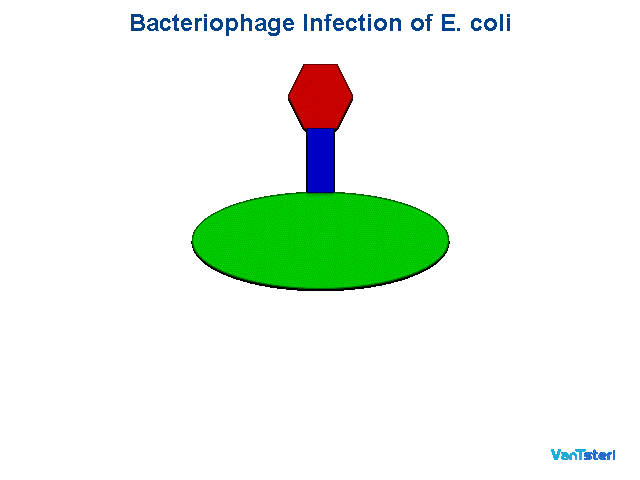
Second, contamination may move with carriers in the environment, so attention cannot be limited to the location where abnormalities first appeared. Droplets, particles, or contaminated objects carrying bacteriophages may contribute to airborne or contact transfer. Air circulation and air-conditioning systems, personnel and equipment activities, and possible contamination residues in pipework are therefore risks to assess in the context of site conditions. The small size of bacteriophages alone does not establish that they have reached every area. In this project, active bacteriophages were detected in air samples; this finding provided the actual basis for VanTsteri engineers to examine air-related risks more closely.
Third, persistence in the environment and replication within a host are different processes. Bacteriophages can persist under suitable environmental conditions, but replication requires appropriate living bacterial hosts. The investigation therefore needed to examine both abnormalities in the production host bacteria and the possibility that the environment could reintroduce contamination into production. Water, surfaces, and pipework may be considered as environmental factors during an investigation. However, no results confirming water-source contamination have been provided for this project, so water cannot be identified as the cause. [2]
These characteristics meant that VanTsteri engineers needed to go beyond visible surfaces and avoid simply attributing persistent abnormalities to an isolated shortcoming in cleaning and disinfection. The remediation scope had to connect the contaminating agent, environmental findings, and possible transmission routes.
2 Locating contamination through air sampling and assessment of possible transmission routes
VanTsteri engineers sampled the air in key areas, and testing found evidence of active bacteriophages. This result indicated that the air samples collected in the investigation contained contaminating agents capable of infecting the host bacteria used in the assay. The investigation therefore needed to extend beyond the first location to show production abnormalities.
Using information on site operations, VanTsteri engineers further assessed the relationships among production activities, air movement, equipment connections, personnel practices, and material movement. Potential routes of concern included contaminated particles becoming airborne and moving with air currents, settling on relevant surfaces, and being resuspended by subsequent activities. Equipment connection points and easily overlooked corners were also included in the risk assessment.
Evidence of active bacteriophages in air samples was an actual test finding in this project. Dispersion, settling, and resuspension were possible transmission routes assessed on that basis. Together, they helped define the scope of investigation and remediation, but a possible route cannot be presented as the confirmed sole source of contamination.
3 Selecting remediation measures based on the investigation
The air sampling findings required remediation to address two issues: contamination residues might remain in relevant areas, and site activities might move contamination between locations. VanTsteri engineers therefore combined environmental cleaning, control of transmission risks, and environmental inactivation rather than treating only the first location to show abnormalities.
Environmental cleaning focused on equipment surfaces, work areas, frequently touched points, and easily overlooked connections and corners, with the aim of reducing contamination residues in the relevant areas.
Control of transmission risks focused on the relationships among air circulation, personnel practices, material movement, and equipment connections, particularly steps that might reintroduce contamination into production activities. Remediation thus considered both where contamination might remain and the routes along which it might move.
Building on this work, the project carried out inactivation treatment of the relevant environment. The remediation assessment included room air, equipment surfaces, and relevant areas that were difficult to clean thoroughly by hand. The specific scope was determined by this investigation and the risks at the site, rather than treating a single localized disinfection step as a complete solution.
4 Evaluating results through retesting and operational observation
After treatment, VanTsteri engineers retested environmental samples, and no plaques were detected. The customer then operated the production environment continuously for one week. During that period, no further plaques or new signs of bacteriophage contamination were observed, and host bacterial growth returned to a stable condition.
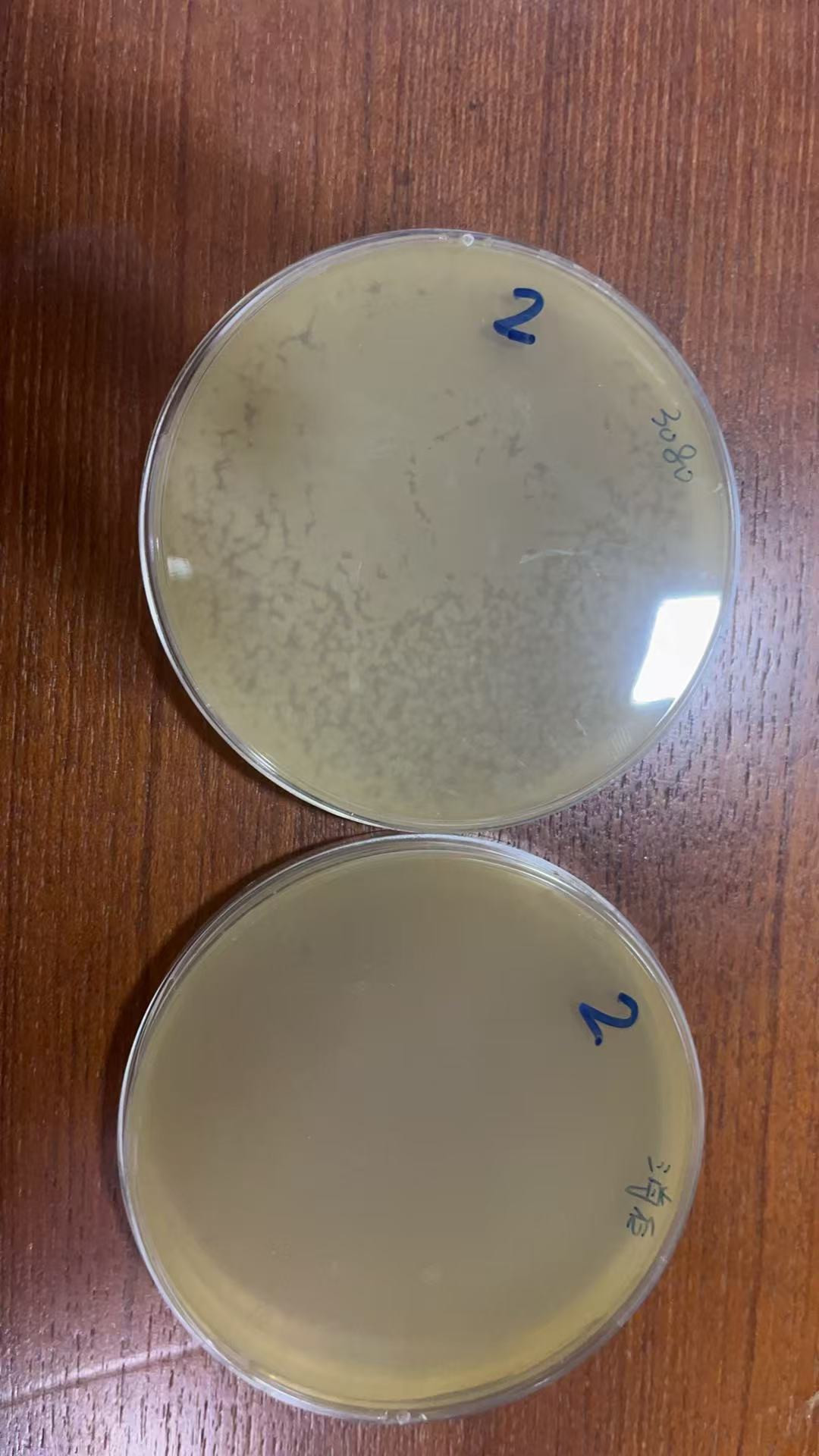
The key to this project was to first understand the contaminating agent affecting production, then use air sampling and site information to assess where contamination was present and how it might spread. Integrated remediation was carried out on that basis, with results evaluated through retesting and observation during production operations.
The retesting conclusion applies only to the samples collected and the conditions of the testing method. Stable operation was observed for one week. These findings do not constitute a guarantee that the entire environment is permanently free of bacteriophages or that contamination will not recur over the longer term.
References
[1] Bacteriophage characteristics. OpenStax, Microbiology, Section 6.1, Viruses. https://openstax.org/books/microbiology/pages/6-1-viruses
[2] Host dependence. OpenStax, Microbiology, Section 6.2, The Viral Life Cycle. https://openstax.org/books/microbiology/pages/6-2-the-viral-life-cycle